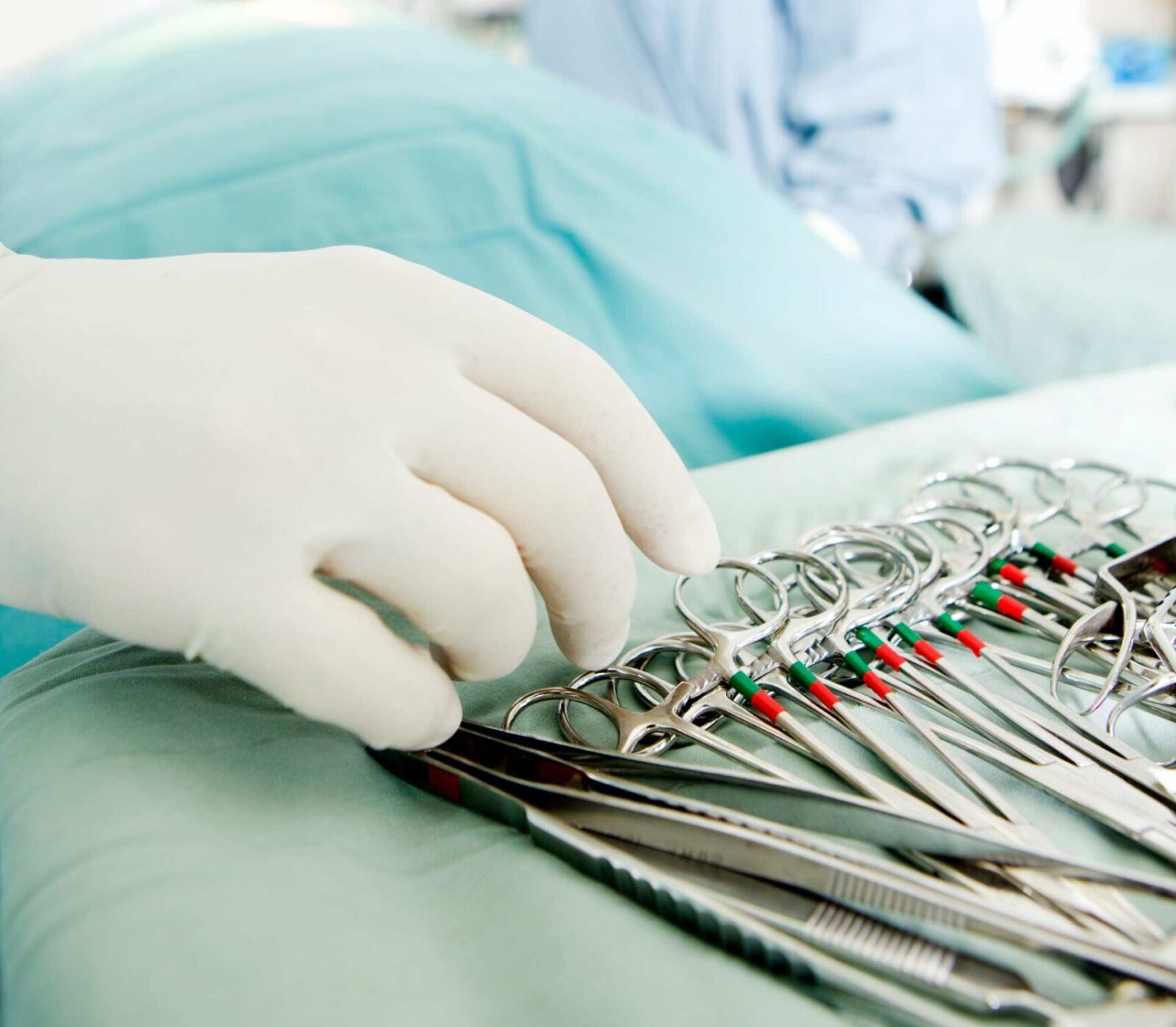
When your pet needs surgery, choosing a veterinary team that prioritizes safety, comfort, and precision is essential. At Archer Animal Hospital in Archer, FL, the doctors perform a range of surgical procedures with a strong focus on pain management, advanced monitoring, and a calm, supportive environment. Whether your pet requires a routine spay or neuter, growth removal, laceration repair, or minor ophthalmic procedure, we are committed to delivering high-quality care at every step of the process. Each surgery is tailored to the pet’s age, size, condition, and overall health, ensuring the safest outcome and smoothest recovery possible.
Understanding Why Surgery May Be Necessary for Your Pet
Pets may need surgery for a range of reasons, from preventive care to emergency situations or the removal of abnormal growths. Spaying and neutering are among the most common procedures, typically recommended at a young age to reduce the risk of reproductive health problems and prevent unplanned litters. When a lump or mass is found, surgical removal allows veterinarians to determine if it’s benign or malignant, an important step in detecting and treating serious conditions early.
Traumatic injuries such as lacerations, often caused by accidents or animal bites, require thorough cleaning, suturing, and ongoing monitoring to prevent infection and support proper healing. Certain eye conditions, like eyelid abnormalities, may call for minor ophthalmic surgery to reduce discomfort and protect your pet’s vision.
Other routine surgical procedures, such as cystotomies, are also offered at Archer Animal Hospital. Each surgery is performed with strict safety protocols, modern anesthesia techniques, and continuous monitoring to ensure your pet’s comfort and well-being every step of the way.
Signs Your Pet May Need Surgical Evaluation
- Swelling or growths on the body
- Bleeding or open wounds
- Squinting, excessive tearing, or eye swelling
- Limping or avoiding movement after an injury
- Reproductive behaviors (for unspayed or unneutered pets)
- Changes in urination or defecation habits
- Frequent licking or chewing at a specific area
- Unexplained weight loss or appetite changes
What to Expect: Our Surgical Process
At Archer Animal Hospital, we take a structured, careful approach to every surgery. From preparation through recovery, your pet is monitored, comforted, and supported at every step.
Surgical Steps and Procedures
- Pre-Surgical Consultation and Physical Exam: We begin with a full evaluation of your pet’s health, including age, weight, and any preexisting conditions. This ensures we tailor the surgical plan accordingly.
- Pre-Anesthetic Bloodwork: Laboratory testing helps detect any underlying concerns and ensures your pet’s organs can safely process anesthesia.
- Anesthesia and Monitoring: Our team uses modern anesthetic protocols with continuous monitoring of vital signs such as heart rate, oxygen levels, and body temperature throughout the procedure.
- Surgical Procedure: The doctors performs the necessary surgery—whether it’s a spay, neuter, growth removal, laceration repair, or minor ophthalmic correction—with precision and care.
- Pain Management and Recovery: We administer pain control before, during, and after the surgery to minimize discomfort. Pets are monitored closely during their recovery until they are fully awake and stable.
- Post-Surgical Instructions: We provide detailed discharge instructions, including how to care for the incision site, administer medications, and what signs to watch for during healing.
Preventing Surgical Complications and Supporting Healing
While not all surgeries can be prevented, taking proactive steps can reduce the need for emergency procedures. Spaying and neutering early in life can prevent reproductive diseases and eliminate the risk of certain cancers. Keeping pets supervised during outdoor activities can help avoid traumatic injuries or lacerations. Monitoring for unusual lumps and bringing them to veterinary attention promptly can lead to early detection and less invasive surgery.
After surgery, proper home care is essential. Prevent your pet from licking or scratching the incision with the use of cones or surgical garments. Ensure they rest in a clean, calm environment and avoid vigorous activity. Administer prescribed medications exactly as directed and attend all follow-up visits to ensure proper healing. Prompt attention to unusual symptoms—such as swelling, bleeding, or lethargy—can help prevent complications and ensure full recovery.
Better Healing and Longer Lives
Surgical care can significantly enhance a pet’s quality of life and, in many cases, extend it. Spayed and neutered pets tend to have fewer hormonal issues and are less prone to roaming or aggressive behaviors. Pets who undergo growth removals or laceration repairs recover quickly and often return to their regular routines without lasting issues. Minor ophthalmic procedures can preserve comfort and vision, avoiding chronic irritation or injury.
At Archer Animal Hospital, we approach surgery with a focus on compassionate care, skillful technique, and long-term wellness. The doctors at Archer Animal Hospital ensure that every pet and owner feels confident before surgery and supported during recovery. For Archer families, having access to reliable surgical services close to home provides peace of mind and continuity of care.
Frequently Asked Questions About Veterinary Surgery
Is anesthesia safe for my pet?
Yes. We perform pre-anesthetic bloodwork and use modern monitoring tools throughout surgery to keep your pet as safe and comfortable as possible.
At what age should I spay or neuter my pet?
Most pets can be spayed or neutered around 4 to 6 months of age, but this can vary depending on size and breed. We’ll help you determine the best timing.
How long will it take my pet to recover from surgery?
Recovery time depends on the procedure. Most pets return to normal activity within at least 14 days, though more complex surgeries may take longer.
Can my pet eat before surgery?
Generally, pets should not eat for 8–12 hours before surgery. Water is often allowed. We’ll provide exact pre-op instructions ahead of time.
What if I notice swelling or bleeding after surgery?
Mild swelling is normal, but if you see bleeding, discharge, or increased swelling, contact us right away for evaluation and care.
Schedule Safe, Trusted Surgery at Archer Animal Hospital
When your pet needs surgery—whether routine or urgent—you deserve a veterinary team you can trust. At Archer Animal Hospital, the Doctors perform each procedure with a focus on safety, transparency, and comfort. Our Archer, FL practice is equipped with the tools and experience needed to manage a wide range of soft tissue surgeries, including spays, neuters, mass removals, wound repairs, and minor eye procedures.
We understand that surgery can be stressful for both pets and their owners. That’s why we offer clear guidance, gentle handling, and attentive follow-up care to make the process as smooth as possible. Contact Archer Animal Hospital today to learn more about our surgical services or to schedule a consultation with the doctors at Archer Animal Hospital.